



British summer makes decisions on your behalf: the forecast flips, the guests arrive early, and the coals are always hotter than you expect. Rosé copes with all of it. The category runs from pale, bone-dry Provençal bottles to ripe Spanish rosados and soft, gently sweet pinks, so the useful question is not red or white, but which style — and what is actually on the table. Get that right and one bottle can carry an entire afternoon.
Match the style, not the shade
Colour intensity is a rough guide to what is in the glass. Pale pinks tend to be dry, crisp and light, with redcurrant, citrus and a saline edge. Mid-pink wines are rounder, with more red fruit and stone fruit, and enough body to stand up to grilled food. Deeper, more vivid pinks are often the sweetest.
It helps to sort bottles into three buckets:
- Dry and crisp — high acidity, light body, refreshing finish.
- Fruity and rounded — more weight, ripe strawberry and peach, moderate acidity.
- Off-dry — noticeable sweetness, soft texture, lower perceived acidity.
Two things matter more than colour: acidity and sweetness. Acidity cuts through fat and salt, which is why a crisp rosé loves mayonnaise, cheese and cured meat. Sweetness softens chilli and balances sticky glazes. Alcohol counts too. A warm, 14% rosé beside a fiery marinade can taste hot and harsh, while a lighter 12.5% bottle stays fresh.
Dry, pale rosé: for picnics that lean fresh
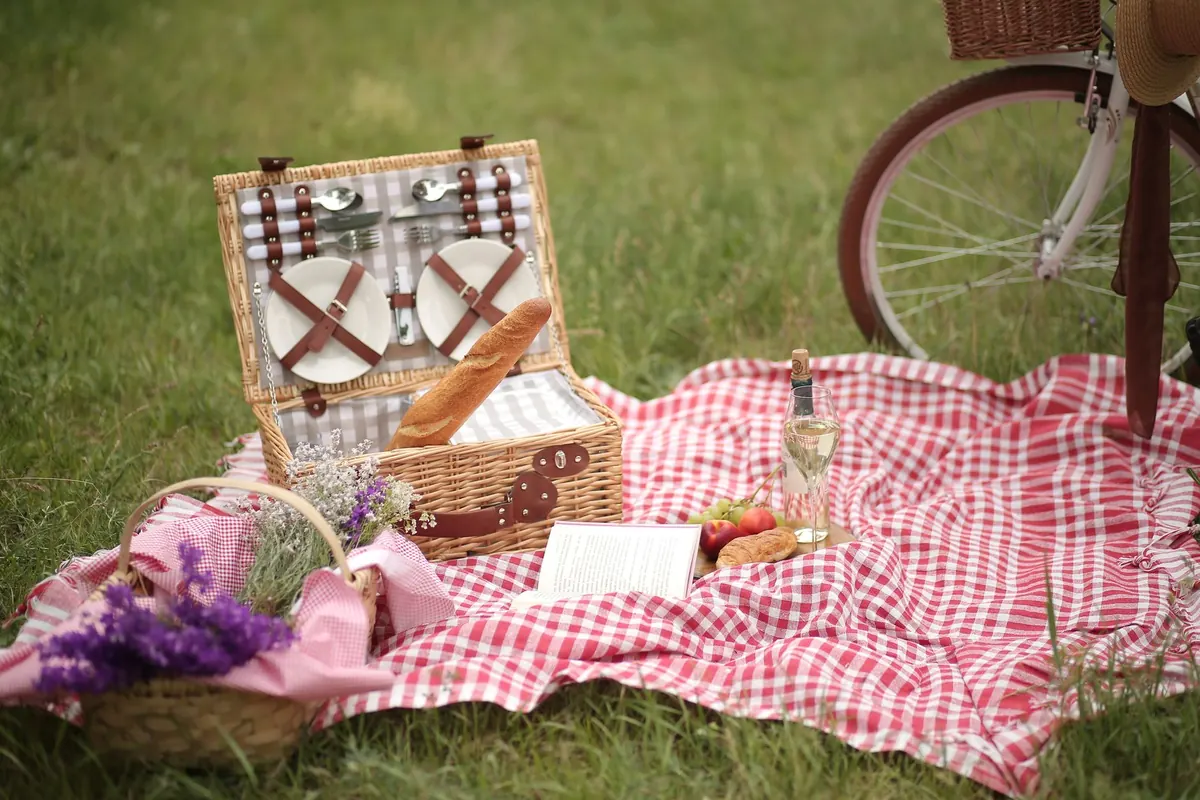
This is your picnic blanket wine: Provence, Languedoc, English rosé from Kent and Sussex, and anything Pinot Noir-based from cooler climates. Served properly cold, it handles most of a deli spread.
Reach for it with goats' cheese and herbs, quiche, smoked salmon, prawn cocktail, cucumber and dill, tomatoes, olives, feta with watermelon, and lighter charcuterie. On the grill, it suits prawns, squid, sardines, sea bass and white fish with lemon. Keep the sauces sharp rather than sweet: a squeeze of lemon, yoghurt with mint, a herby vinaigrette.
What to avoid: thick barbecue sauce, honey-glazed anything and heavily smoked meat. They will flatten a delicate wine in one bite.
Fruity, medium-bodied rosé: the barbecue workhorse
Grenache-based pinks, Spanish rosado from Navarra and Rioja, Cerasuolo d'Abruzzo, and riper New World styles have the weight for smoke and char. These are the bottles to open when food is coming off the grill in waves and nobody is sitting down.
They work with burgers, sausages, chicken skewers, lamb kofta, halloumi, chargrilled peppers and courgette, corn on the cob, and pulled pork with a tomato-based rather than sugary sauce. Harissa, paprika rubs and garlicky marinades all sit comfortably here.
Serve at around 8–10°C rather than ice-cold. Too much chill mutes the fruit and leaves the wine tasting thin next to charred food.
Off-dry rosé: salt, chilli and sticky glazes
White Zinfandel, rosé d'Anjou, and sweeter Portuguese and German pinks have a soft, fruity sweetness that most dry rosés lack. That sweetness is a tool: it calms chilli heat, balances salt, and stops caramelised food tasting cloying.
Try it with honey and mustard sausages, sweet chilli chicken, Thai-style marinades, coronation chicken, mango salsa, salty halloumi, blue cheese, and crisps with a decent dip. Watermelon and feta, that picnic staple, is arguably better with an off-dry pink than a dry one, because the wine meets the fruit halfway.
A quick rule for heat and salt
If the dish is spicy, go off-dry. If it is salty and fatty, go crisp and dry. If it is smoky and charred, go fruity and rounded. When two of those apply — a spicy, charred chicken thigh, say — pick the fruitier wine and add a squeeze of lime to the plate.
The picnic and barbecue checklist
Run through this before you pack the cool bag.
- Count the courses, not the guests. One dry rosé for the deli spread, one fruity rosé for the grill.
- Check the sweetness. If the label says off-dry, medium-dry or White Zinfandel, plan it around spicy or sticky food.
- Think about sauce. Sharp, herby and citrusy sauces suit crisp rosé; sweet, smoky and sticky sauces suit fruity or off-dry.
- Add a soft drink. Sparkling water with lemon and mint, or a decent alcohol-free pink, keeps everyone covered.
- Bring more than you think. Rosé disappears quickly in the sun; a spare bottle in the shade saves a trip.
- Pack sensible glasses. Stemless glasses or small tumblers are fine outdoors, though a slightly tapered glass keeps the aromas in.
Chilling and serving without fuss
Rosé is best served cold, but cold has a range. Crisp, dry styles are happiest at about 6–8°C, straight from an ice bucket. Fruity and off-dry bottles show more at 8–10°C, so lift them out of the ice ten minutes before pouring.
A few practical notes for outdoor drinking:
- Keep bottles in the shade, in a cool bag, or in a bucket of ice and water — water conducts cold far better than ice alone.
- Don't add ice cubes to the glass unless you accept a diluted wine. Chill the bottle instead.
- Screw caps are your friend at a picnic: they reseal and travel well.
- Magnums and cans are useful for groups — cans chill fast and are easy to recycle.
- Pour smaller measures. Warm hands and warm air raise the temperature quickly, and a half-full glass stays fresher.
Pack the right bottle, then relax
Choose by style, not shade: a dry, pale rosé for the fresh, herby, straight-from-the-fridge side of the picnic; a fruity, rounded one for anything off the grill; an off-dry pink for chilli, salt and sticky glazes. If you take only two bottles, take one of the first and one of the second, and keep water going alongside. That covers almost everything a British summer afternoon can throw at you, including the rain.
Photo: Melike B / Pexels